

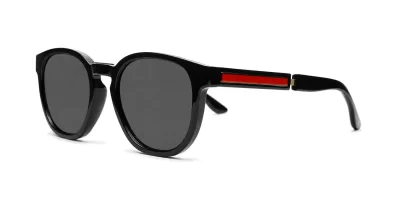
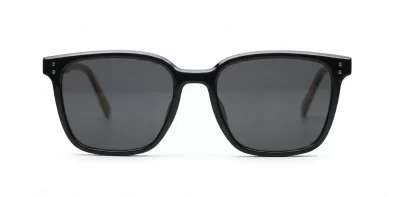
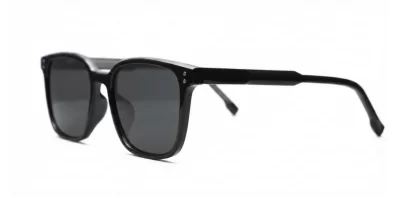
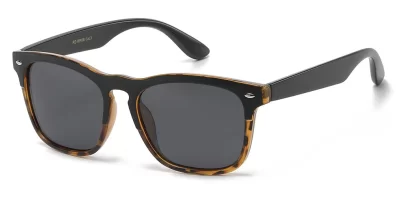
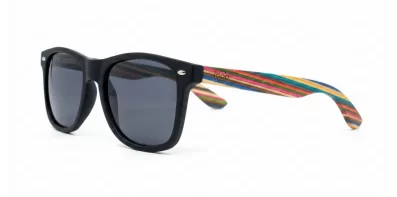
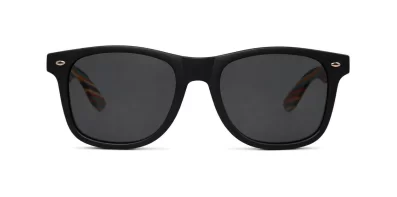
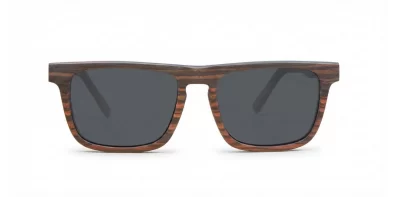
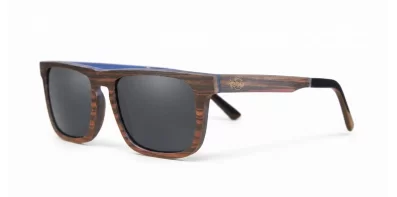
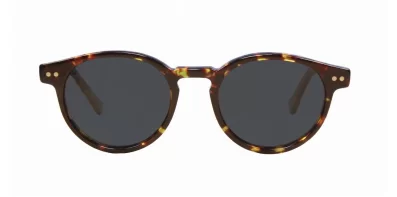
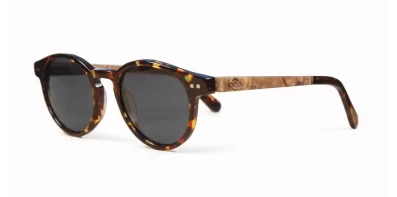
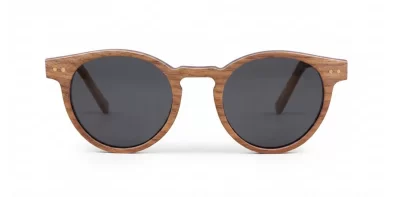
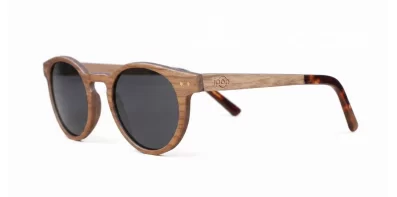
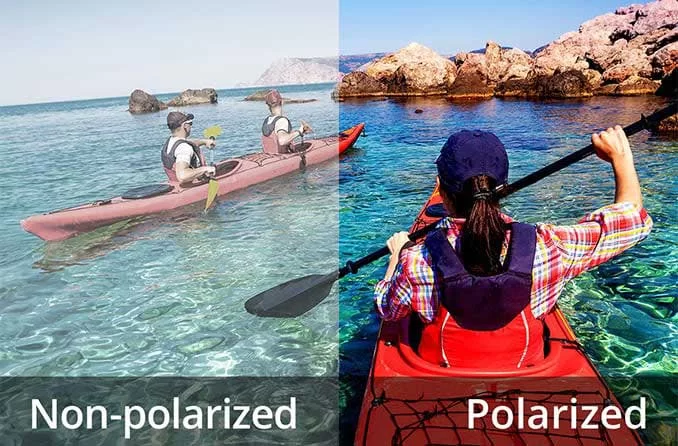
New Zealand sun is harsh, so shopping for polarised sunglasses NZ is important. The UV index regularly hits levels that most countries never see, and anyone who's spent a full day driving, fishing, or out on the water knows what unfiltered glare does to your eyes. Polarised sunglasses fix that, not by just darkening your view, but by blocking the horizontal light waves that cause glare in the first place.
That's the difference between a polarised lens and a standard tinted one. Tinted lenses dim everything while polarised lenses cut the glare itself. On a bright day on the water or driving into the afternoon sun on the highway, you'll notice the difference.
Why Polarised Matters More in New Zealand
New Zealand's combination of high UV, reflective coastline, and open landscape makes polarised lenses genuinely useful, not just a marketing feature. Driving on a clear morning when the sun's low and the road is wet, or out on a boat in the Marlborough Sounds with light bouncing off the water all day, these are exactly the conditions polarised lenses were designed for.
All iPOP polarised sunglasses are rated Category 3, which is the right rating for New Zealand conditions. They also have UV400 protection, meaning they block 100% of UVA and UVB rays. That matters long-term. Cumulative UV exposure is the main driver of cataracts and macular degeneration, and New Zealand's ozone situation means the risk here is higher than most.

What to Look for in Polarised Sunglasses NZ
Not all polarised sunglasses perform the same. The frame fit matters just as much as lens quality. A polarised lens that lets light in around the sides or from underneath loses some of its advantage. Sports and wrap-around styles sit close to the face and wrap around to cover your peripheral vision.
Lens colour also changes what you see. Brown lenses boost contrast and work best on overcast days, good for fishing or driving in mixed light. Dark grey lenses suit bright, full-sun conditions. If you're mostly outdoors on clear NZ days, grey is a solid default. If you fish or spend time on the water in variable conditions, brown or amber is worth considering.
Polarised Sunglasses for Fishing, Driving and the Outdoors
Polarised lenses show up in price ranges from $25 to well over $300. The main differences at the top end are lighter materials, better scratch coatings, and marginal improvements in optical clarity, but mostly you're paying for the brand name. For everyday outdoor use in New Zealand, driving, beach days, fishing, sport, an iPOP polarised lens does everything you need it to do.
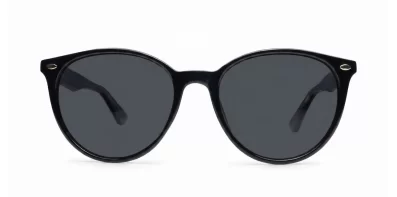
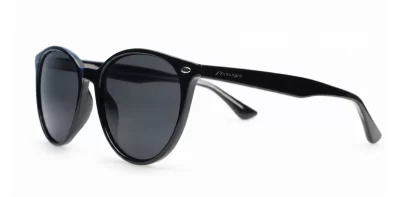
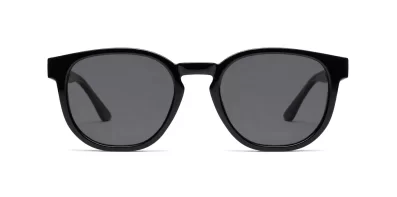
Our women's polarised range and men's styles include aviators, wrap-arounds, classic frames, and sports cuts, all Category 3 with UV400 protection. If you're not sure which style suits you, the size guide is a good place to start.
Why choose iPOP for polarised sunglasses? Kiwi-owned and based in Nelson since 2009, iPOP holds stock in New Zealand, with Category 3 UV400 polarised sunglasses for driving, fishing and outdoor use, plus $5 tracked delivery nationwide and free delivery over $100.
Find out how polarised lenses actually work, with the iPOP polarised sunglasses guide
For more detailed advice on choosing sunglasses for bright daytime conditions, read our guide to the best sunglasses for driving in New Zealand.
Polarised Sunglasses NZ — Common Questions
Do polarised sunglasses have UV protection?
Polarisation and UV protection are two different things — polarisation blocks glare, while UV protection blocks harmful rays. They don't automatically come together, so it's worth checking. All iPOP polarised sunglasses include full UV400 protection, blocking 100% of UVA and UVB rays, alongside the polarised lens.
What sunglasses are best for driving?
For driving, dark grey polarised lenses work best in bright New Zealand conditions since they cut glare from wet roads and low sun without distorting colour. Look for a Category 3 lens with UV400 protection and a frame that sits close to the face to block stray light from the sides.
What sunglasses are best for fishing?
For fishing, brown or amber polarised lenses are usually the better pick. They boost contrast in mixed light and make it easier to see beneath the water's surface, especially in the variable light common around New Zealand's coastline. A wrap-around or sports frame helps block glare from the sides too.
Do polarised lenses fade?
All lenses can fade a little over time with prolonged UV and heat exposure, and polarised lenses are no exception. Good quality coatings slow this down significantly. Rinsing off salt water and keeping sunglasses out of direct heat, like a hot car dashboard, will extend the life of the lens and its polarising filter.
What is a Category 3 lens?
Lens categories describe how much visible light a lens lets through. Category 3 blocks around 82–92% of light, making it suited to bright sun, driving, and outdoor activity, which is why it's the standard rating for most everyday sunglasses in New Zealand. Category 4 is darker still and generally reserved for mountaineering or glacier conditions, not everyday wear.
Are polarised lenses stronger than regular lenses?
Not necessarily. Polarisation is an optical filter, not a measure of physical strength. A lens's durability comes down to the material, usually polycarbonate for impact resistance, not whether it's polarised. Polarised lenses can be just as durable as non-polarised ones when made from the same material.