
In New Zealand, we pride ourselves on fresh air and wide horizons. Salt on the breeze. Bush tracks at the weekend. Long summer evenings that stretch forever.

Yet most weekdays unfold under LED panels and laptop glare. Work, school, admin, scrolling, streaming. Nine hours on screens is no longer unusual. It’s standard.

If you hit a wall mid-afternoon, wake feeling foggy, or lie in bed with a racing mind, it may not be laziness or lack of grit. It’s often a circadian rhythm misfire.

Energy mastery in 2026 comes down to one principle: command your light. Use morning sunlight to ignite your system and use blue light glasses at night.

The Science of the Internal Clock

Deep inside the brain sits a cluster of cells called the suprachiasmatic nucleus. Small. Precise. Ruthlessly consistent.

This is your master clock. Your circadian rhythm. A roughly 24-hour oscillation that choreographs sleep, digestion, body temperature, alertness, and hormone release.

Two hormones dominate the performance.

Cortisol is the ignition key. It should crest in the morning, sharpening focus and elevating blood pressure just enough to get you moving. This is known as the cortisol awakening response.

Melatonin is the repair signal. It rises in the evening, lowering core temperature and preparing tissues for restoration.

When light exposure scrambles this pattern, cortisol lingers into the night and melatonin hesitates. The result feels cruelly paradoxical. Drained all day. Alert at midnight.

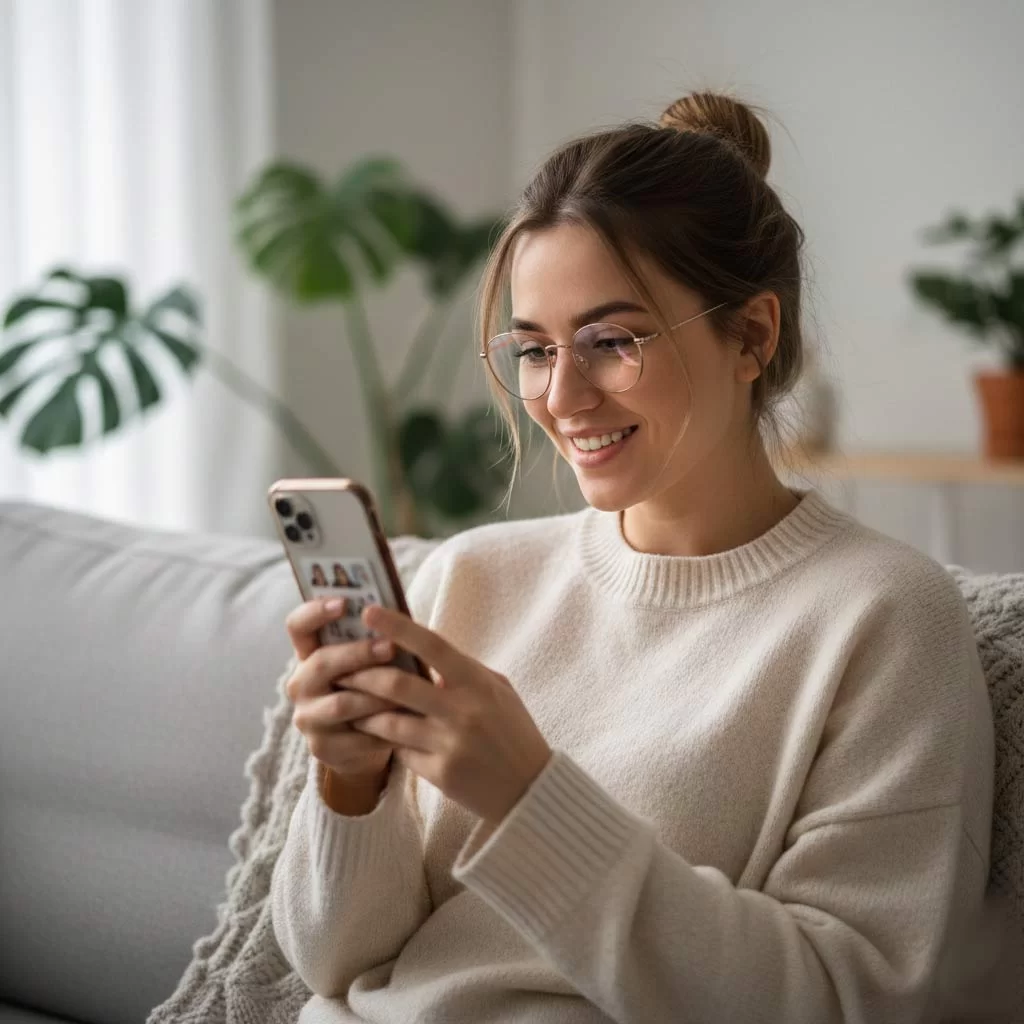
girl looking at phone wearing blue light glasses- ipop nz

Morning Sunlight


The modern reflex is predictable. Alarm goes off. Phone lights up. Emails, notifications, social feeds—all before your feet hit the floor.

Digital blue light is faint compared to the power of the sun. It doesn’t provide the intensity or spectrum required to signal your brain that the day has begun.

According to Professor Andrew Huberman, a neuroscientist at Stanford University, the timing and intensity of light exposure in the morning are critical for synchronising the circadian rhythm. Huberman’s research shows that 20 minutes of natural sunlight within the first hour after waking activates specialised retinal ganglion cells that project to the suprachiasmatic nucleus—the body’s master clock.

When these cells detect full-spectrum sunlight, melatonin production halts immediately and cortisol spikes. This early cortisol surge acts as a precise timer, setting the stage for melatonin to naturally rise 14 to 16 hours later in the evening, preparing your body for restorative sleep.

Huberman emphasises that sunlight needs to enter the eyes directly—looking through a window reduces the intensity and effectiveness. Even on overcast days in Auckland or misty mornings in Southland, outdoor light can be ten times stronger than indoor lighting, providing enough lux to trigger the circadian reset.

Lock In Your Morning Signal

Try to get outside within the first 30 minutes of waking and let natural light hit your eyes for at least a few minutes, ideally closer to ten or more if you can manage it. You do not need to stare at the sun or turn it into a ritual. Just step outside, walk the dog, or head off to work. The key is that the light is outdoor light, not filtered through a window, and that you avoid sunglasses for that short window so the signal reaches your brain properly.

That early exposure sets your circadian rhythm for the day. It tells your brain that morning has officially begun, which sharpens alertness, supports a healthy cortisol rise, and starts the internal timer that will later trigger melatonin in the evening. When this pattern repeats daily, energy tends to feel more stable and sleep onset becomes more predictable.

It also helps to delay your first coffee. Melatonin does not instantly disappear the moment you open your eyes; it gradually tapers off over the first hour or two. If you drink caffeine while that sleep hormone is still circulating, you can blunt your natural wake-up process and increase the chances of a low-energy dip later in the afternoon.

Huberman has discussed this in depth when explaining circadian biology. He recommends waiting roughly 90 minutes to two hours before having caffeine so your body clears residual melatonin on its own. When you do have that first cup, it tends to feel cleaner and more effective, without the same rebound crash.

Morning sunlight first, caffeine second. It is a small adjustment, but when combined with consistent bedtimes and reduced late-night screen exposure, it can noticeably improve focus during the day and make it easier to fall asleep at night.

man wearing stylish blue light glasses in nz with mobile phone


Blue Light, Screens and Your Brain at Night

Phones, tablets, laptops and large TVs all emit a strong band of blue light, mostly in a range your brain is highly sensitive to. It is especially effective at suppressing melatonin, the hormone that helps you feel sleepy.

From an evolutionary point of view, this makes sense. Blue-rich light used to mean one thing only: midday sun. When those specialised retinal cells detect it, they send a clear signal to the brain that it is time to be alert, focused and active.

The issue now is timing. In the evening, your brain cannot tell the difference between bright daylight and a glowing screen a metre from your face. It responds as if the day is still in full swing. Cortisol can remain elevated. Melatonin release gets delayed.

That delay shifts your whole sleep window. You might not feel tired when you expect to and you stay up later. When you do fall asleep, it can be lighter and more fragmented. Deep sleep and REM may be reduced, which affects physical recovery, learning and emotional balance.

Over time, this pattern builds. Shortened sleep, inconsistent bedtimes and late-night screen exposure can chip away at focus, patience and mood the next day. Many people blame stress or workload, when in reality their light exposure is quietly disrupting the system.

It is not about avoiding technology altogether. It is about managing intensity and timing. Lowering brightness, using warmer lighting in the evening and limiting large, bright screens close to bedtime can reduce the signal that tells your brain to stay awake.

Elite athletes treat sleep like gold. Erling Haaland is well known for his disciplined sleep routine, including wearing blue light glasses in the hours before bed. For high performers, sleep is the ultimate legal performance enhancer. Muscle repair. Hormonal balance. Cognitive clarity.

If controlling evening light supports a Premier League striker, it can support a Monday morning meeting just as effectively.

Erling Haaland is a elte footballer that wears blue light glasses

Blue Light Glasses vs. The Alternatives

Most devices now offer Night Mode. Screens shift to a warmer hue. It helps, but it’s partial.

Software mainly alters colour temperature. It does not fully block the high-energy blue wavelengths linked to melatonin suppression.

Screen protectors offer a fixed layer, yet they’re limited to one device.

Blue light glasses act as a portable barrier, filtering targeted wavelengths before they reach the eye. TV, phone, laptop, office LEDs. One solution across them all.

They also reduce glare and flicker, helping ease digital eye strain during long sessions.

Who Needs Them Most

The office worker spends hours under artificial light, moving between spreadsheets, emails, and calls. Hours at the screen lead to dry eyes, headaches, blurred focus, and mental fatigue. Blue light glasses can reduce glare and help the eyes relax during these long sessions.

Tradies often finish physical work during the day and then tackle admin tasks in the evening. Sitting at a laptop or tablet late at night exposes them to concentrated blue light just when the body should be winding down. Wearing blue light glasses during these hours signals the body that it’s time to transition toward rest, making it easier to fall asleep afterward.

Young eyes are especially sensitive to blue light. Evening gaming, homework on tablets, or streaming on large TVs can flood the entire room with blue wavelengths. Unlike a phone or laptop, a big TV screen emits light that bounces off walls and ceilings, increasing exposure. This can delay melatonin release, making it harder for children and teens to fall asleep, and affecting focus and performance at school the next day. Blue light glasses provide a protective barrier, limiting the intensity reaching developing eyes while maintaining visual clarity and comfort.

Even casual gamers or adults watching movies late at night can benefit. Large screens can unintentionally trick the brain into thinking it’s daytime, keeping cortisol elevated and melatonin suppressed. Wearing blue light glasses for the 2–3 hours before bed helps maintain a natural rhythm, supporting deeper, more restorative sleep.

Kids & Screens: A Parent’s Reality

Children grow up surrounded by screens. Tablets for homework, laptops at school and gaming in the bedroom.

Digital eye strain in kids can show up as blinking, rubbing eyes, short attention spans, or headaches.

Because children’s lenses are clearer, more blue light reaches the retina. Evening exposure can suppress melatonin when sleep should be approaching.

Blue light glasses designed for kids create a calmer visual environment during evening screen use.

Pair them with simple habits. Reduce device use before bed. Dim lights after dinner. Encourage morning sunlight before school.


two kids looking at a computer screen without blue light glasses

Digital Eye Strain FAQ

Digital eye strain, sometimes called computer vision syndrome, is a collection of symptoms that occur after prolonged screen use. It goes beyond tired eyes and can include dryness, irritation, headaches, blurred or double vision, and even neck or shoulder tension. The strain happens because the tiny muscles in your eyes remain in a near-focus position for long periods, and blinking decreases while staring at bright, flickering screens. Over time, this can cause discomfort, reduce productivity, and make focusing on tasks more difficult. Managing screen time, using blue light glasses, and taking regular breaks are key strategies to prevent or relieve these symptoms.

How often should I take breaks

Follow the 20-20-20 rule. Every 20 minutes, look at something around 20 feet away for at least 20 seconds.

When you stare at a screen, the tiny muscles inside your eyes stay locked in a near-focus position. Over time, they fatigue. That’s when words start to blur, your eyes feel tight, and headaches creep in.

Shifting your gaze into the distance allows those focusing muscles to relax. It resets your visual system and reduces strain before it builds up.

The key is consistency. Don’t wait until your eyes feel sore. Set a subtle timer if you need to. Stand up. Look out a window. Focus on a tree, a rooftop, or anything far enough away to force distance vision.

You can layer in a few blinks while you’re at it. Screen use lowers your blink rate, which dries out the surface of the eye. A short break restores moisture and sharpness.

It sounds simple, but done throughout the day, it makes a noticeable difference. Less tension. Fewer headaches. Clearer focus by the time you shut the laptop.

Hydrate for Optical Health

Healthy eyes need moisture, and staying hydrated is one of the simplest ways to support your vision. Dehydration often manifests as an itchy, "gritty" sensation after a long session at the computer. Keep a bottle of water nearby and aim to sip it throughout the day. It’s also worth moderating your caffeine intake, as too much coffee can contribute to dryness.

Young lady looking at a screen wearing blue light glasses

Does Night Mode Solve the Problem

Night Mode or “blue light filter” settings on phones, tablets, and computers do help to some extent. They shift the screen colours toward warmer tones, which reduces the intensity of blue light reaching your eyes. However, they don’t fully block high-energy blue wavelengths, especially the ones most effective at suppressing melatonin. Night Mode also doesn’t reduce glare from bright screens or the flicker from LED lights, which can still strain your eyes during long sessions.

It’s worth noting that these software solutions only work on the device they’re activated on. If you’re using multiple screens, working in a brightly lit office, or watching TV, the exposure adds up. Blue blocker glasses offer a consistent, device-independent solution that physically filters the problematic wavelengths, protecting your eyes no matter the source.

Will Blue Light Glasses Fix Sleep Instantly

Blue light glasses are not a magic cure for sleepless nights. Their effectiveness depends on using them alongside other healthy sleep habits. The best results occur when you combine evening use with exposure to morning sunlight, consistent bedtimes, and a reduction of late-night screen or room lighting. Wearing the glasses 2–3 hours before bed helps melatonin rise naturally and signals your body to wind down, but it’s the combination of timing, light management, and routine that produces reliable improvements.

Think of blue-light glasses as part of a broader circadian toolkit. They reduce interference from artificial light and make it easier for your body to follow its natural rhythm. For those who follow these habits consistently, sleep becomes deeper, more restorative, and easier to maintain night after night.

Light Exposure

Managing your light exposure is one of the simplest and most effective health upgrades you can make. It doesn’t require expensive supplements, complicated routines, or new technology—just attention to when and how your eyes receive light throughout the day.

Morning: Step outside for at least 15 minutes of natural sunlight, ideally within the first hour of waking, and leave your sunglasses off. Even on cloudy days, outdoor light is far more intense than indoor lighting and provides the cortisol spike your body needs to start the day. In winter, when sunlight is weaker and mornings are darker in places like Nelson or Southland, aim for a longer exposure or find a bright outdoor spot near a reflective surface to catch as much light as possible. This helps maintain a reliable circadian rhythm that influences energy, focus, and sleep later on.

Daytime: During long computer or screen sessions, wear blue block glasses to reduce glare, flicker, and strain. They protect your eyes from the cumulative exposure to high-energy blue light from monitors, tablets, phones, and office LEDs, helping you maintain comfort and alertness throughout the day. Practice the 20/20 rule- so every 20 minutes, look at anything about 20 feet away for at around 20 seconds.

Evening: Switch to blue light blocking glasses two to three hours before bed. This simple adjustment tells your brain that daylight is fading and melatonin should start rising. Combined with dimmed lights and limited screen use, this practice helps you fall asleep faster and sleep more deeply. Sleep in a cool dark bedroom if possible. Around 18°C degrees is the perfect temperature.


women wearing tortoise blue light blocking glasses

By consciously controlling the light you receive, you can reset your internal clock, maintain consistent energy throughout the day, and support restorative sleep at night. It’s a straightforward approach with measurable benefits. iPOP blue light glasses start at just $25, making it easy to try them out and see the impact on your daily rhythm without a large investment.

How to Choose the Right Pair

TR90 material is lightweight, flexible and durable. Ideal for long shifts and they're really robust too. Most of iPOP blue frames are made from TR90.

Frames should sit securely on the bridge without sliding. Temples should rest comfortably without pinching. Good coverage prevents stray light entering from the sides. All our glasses are shipped with a soft microfibre case to keep the free scratches and can be used to safely clean the lenses.


Clear vs. Tinted Lenses

Not all blue block glasses are created equal. Depending on whether you're a casual office worker or a night-owl, the "tint" of your lens changes how much light is blocked—and how your world looks.

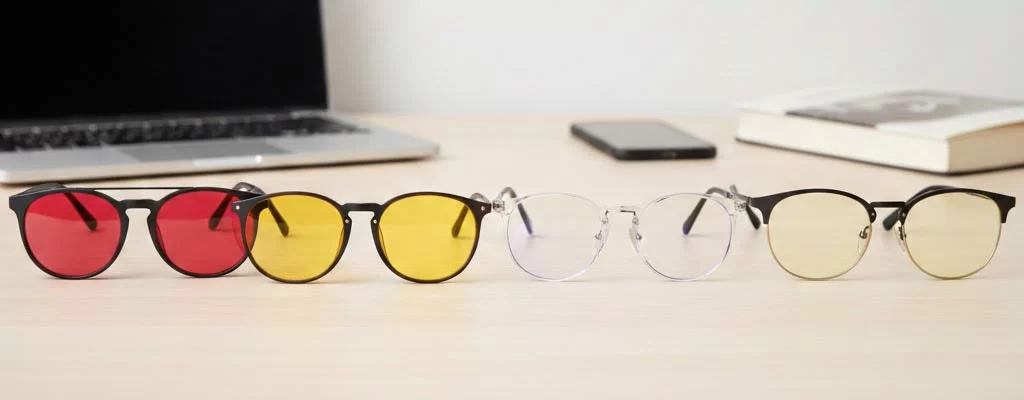
While iPOP specialises in Clear Blue Light Lenses for their versatility and style, it’s important to understand why those bright yellow and deep red lenses exist.

1. Clear Lenses (The Everyday Workhorse)

What they do: These lenses use a specialised lens to filter roughly 50% of blue light, focusing on the harshest 400nm–455nm range. Some sites sell glasses similar to those available on iPOP at more than triple the price by making claims of unique lens technology that don't stack up.

Best for: Office work, casual scrolling, studying and all-day wear.

At iPOP we focus on clear lenses because they maintain perfect colour accuracy. If you’re a designer, an editor, or just don’t want to look like a character from a sci-fi movie during a Zoom call, clear lenses are the smart choice. They provide the protection you need without the "yellow haze." They are popular with students, office workers and casual device users.

2. Yellow & Amber Lenses (The Gamer’s Choice)

What they do: These block more blue light (up to 75%). The yellow tint increases screen contrast, which is why they are often called "Gaming Glasses."

Best for: Intense, multi-hour gaming sessions or people with high light sensitivity.

They noticeably distort colours. Whites will look yellow, and blues will look greenish. They are effective but far less "discreet" for a professional environment.

Different coloured blue light glasses with red, yellow, and clear lenses

3. Red & Orange Lenses (For Sleep)

They block 100% of blue light and even a large portion of green light (up to 550nm).

These are best for sleep optimization. Biohackers and "sleep athletes" put these on 2 hours before bed to ensure zero blue light hits their retinas.

The bad news is that wearing these during the day can make you feel drowsy by tricking your brain into thinking it’s midnight. They also turn your world entirely red, making them unsuitable for almost any task other than winding down or watching a movie before bed.

Which one is right for you? Think of it like sunblock. You don't always need SPF 100 if you're just walking to the car.

iPOP has a great collection of clear lenses if you want protection that a great all round protection that dont sacrifice style or colour clarity.


Conclusion

Light shapes your energy, focus and sleep more than most people realise. A few simple shifts — morning sunlight, smarter screen habits, and reducing blue light at night — can steady your rhythm and improve how you feel day to day.

Blue light glasses are a practical tool in that mix. Beyond easing digital eye strain, they have also shown benefits for some people recovering from brain injuries such as concussion, where light sensitivity and sleep disruption are common issues.

Control your light exposure and you give your brain a clearer signal. Over time, that consistency adds up. Consider adding iPOP blue light blocking glasses to your health toolkit, especially if screens are part of your day.