
Digital Eye Strain at Work: A Practical Guide for NZ Screen Users
Dry eyes, blurred vision and a headache after a long day at the computer are familiar problems for many New Zealand office workers. These symptoms are commonly grouped under digital eye strain, sometimes called computer vision syndrome.
The discomfort is real, but blue light is not usually the only cause. Long periods of close focusing, reduced blinking, screen glare, poor lighting and an unsuitable glasses prescription can all contribute. Understanding those factors makes it easier to choose changes that may genuinely improve screen comfort.
What Actually Causes Digital Eye Strain?
When we concentrate on a screen, we tend to blink less frequently. That allows the surface of the eye to dry out, which can cause burning, grittiness or temporarily blurred vision. The muscles responsible for close focusing are also working continuously, especially when text is small or the screen is positioned too close.
Reflections from windows and overhead lighting can add another layer of discomfort. If your screen is much brighter than the room around it, your eyes must repeatedly adjust as you look between the display and your surroundings. None of these issues requires dangerous levels of blue light to make your eyes feel tired.
Common Symptoms
- Dry, irritated or watery eyes
- Temporary blurred vision
- Headaches after prolonged close work
- Difficulty refocusing into the distance
- Sore shoulders or neck from poor screen positioning
If these symptoms are persistent, severe or affecting your vision away from screens, an eye examination is more useful than simply buying another pair of glasses.
Where Blue Light Glasses Fit In
Blue light glasses use clear or tinted lenses that filter part of the blue-violet light spectrum. Clear lenses generally filter less and preserve more natural colour, making them the more practical option for office work, study and video calls. Amber and red lenses block a broader range of short-wavelength light but noticeably alter colour perception.
The current evidence does not show that ordinary screen exposure damages the eyes. A RANZCO position statement notes that screen light is well below recognised safety limits. A Cochrane review of clinical trials also found that blue-light-filtering lenses may not meaningfully reduce computer-related eye strain compared with ordinary clear lenses.
That does not mean nobody likes wearing them. Some people report feeling more comfortable with a filtered lens, and a lightweight pair can be pleasant to wear during long screen sessions. It is simply better to treat them as an optional comfort product rather than a medical solution or protection against eye damage.
Our guide to how blue light glasses work looks more closely at the different lens types and the evidence behind them.

Practical Ways to Make Screen Work More Comfortable
Glasses are only one part of the picture. A few simple changes to your work setup can make a noticeable difference, particularly when they become regular habits.
Use the 20-20-20 Approach
Every twenty minutes, look at something about six metres away for at least twenty seconds. The numbers do not need to be exact; the important part is giving your close-focusing system regular breaks.
Check Your Screen Position
Place your monitor roughly an arm's length away, with the top of the screen at or slightly below eye level. Increase the text size if you find yourself leaning forward or squinting. Position the screen so that windows and strong lights are not reflected directly back at you.
Blink and Manage Dryness
Make a conscious effort to blink fully during concentrated work. Air conditioning and heating can dry the eyes further, so moving away from direct airflow may help. If dryness continues, speak with an optometrist or pharmacist about appropriate lubricating drops.
Match the Screen to the Room
A very bright display in a dim room can be uncomfortable. Adjust the brightness and contrast so the screen feels balanced with the surrounding light. Matte screens or suitable anti-reflective lens coatings can also help when reflections are the main problem.
Choosing Glasses for Long Screen Days
If you decide to try blue light glasses, comfort and fit are just as important as the lens. A heavy frame or one that pinches behind the ears can create a different kind of headache during an eight-hour workday.
Look for a lightweight frame that stays in place without squeezing. TR90 is a flexible, low-weight material suited to daily wear, while inner core wire can help some plastic temples retain their shape. Metal hinges are generally easier to maintain than moulded plastic hinges.
Check whether the lenses have magnification before ordering. Most iPOP blue light glasses are non-prescription with no magnification, so they can be worn straight away by people who do not need vision correction. They are not a replacement for prescription glasses or a professional eye examination.
Evening Screens and Sleep
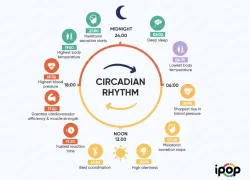
Bright light late in the evening can affect the body's sleep-wake timing, particularly when screens are used close to bedtime. However, the available clinical evidence has not established that ordinary clear blue light glasses consistently improve sleep.
Dimming the screen, using a warmer night setting, lowering the room lighting and stepping away from devices before bed are sensible first steps. Stronger amber or red filters block more short-wavelength light than clear office lenses, but they also change how colours appear and are not ideal for every task.
For a broader look at light timing, our guide to circadian rhythms and sleep explains why morning daylight and evening habits both matter.
When to Book an Eye Examination
Frequent headaches, ongoing blurred vision, eye pain or symptoms that continue after you stop using a screen deserve professional attention. An outdated prescription, dry-eye condition or focusing problem can easily be mistaken for ordinary screen fatigue.
An optometrist can check your vision and eye health and recommend the right type of lens if correction is needed. Blue light glasses should not be used to delay an examination when symptoms persist.
The Bottom Line
Digital eye strain is usually connected to how long and how closely we use screens, along with blinking, lighting, glare and vision correction. Blue light glasses filter part of the visible spectrum, but they are best viewed as an optional comfort choice rather than a cure for headaches, tired eyes or poor sleep.
If you would like to try a lightweight, non-prescription pair for work or study, browse iPOP's blue light glasses. Every pair includes a free microfibre soft case and ships from Nelson.
Latest Blogs