

The Science of Perfect Sleep: Circadian Rhythms and Morning Sunlight
The Master Clock
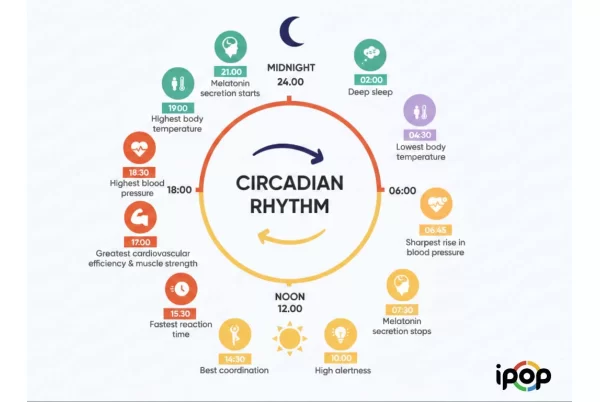
Deep inside the brain sits a small cluster of neurons called the suprachiasmatic nucleus, the body's master clock. It coordinates hormones, body temperature, appetite and alertness into one coherent daily rhythm. Every night it cross-checks its internal record against the outside world, and when the two align, energy stays stable and sleep comes without much effort. When they drift apart, even ordinary tasks start to feel heavier than they should. The nucleus doesn't work in isolation either, it sends timing signals to almost every major organ, keeping the whole body running on one timetable rather than several competing ones.
The Power of Photons
Natural light is one of the strongest signals the brain receives. When daylight reaches the eyes during the first hour after waking, it triggers a cascade of electrical and chemical events, sharpening alertness, lifting mood, and locking the circadian cycle to the solar day. Sunlight contains a breadth of wavelengths that indoor lighting simply doesn't replicate, which is why even a short walk outside does more for your internal clock than an hour sitting near a window. Light particles hit the retina, convert to nerve impulses, and tell the brain that the active phase of the day has begun. It's a plain, easy habit that most people overlook, and it anchors both daytime energy and nighttime sleep more reliably than most people expect.
Cortisol and Melatonin
Morning light triggers a rise in cortisol, the hormone that shifts the body into a state of readiness. It mobilises energy, heightens focus and sets the tempo for the day ahead. What's less obvious is that the same light exposure also starts an internal countdown for melatonin release later in the evening. Roughly sixteen hours after that first strong light cue, the brain begins preparing for rest. In that sense, your morning habits are quietly scripting the quality of the night that follows, which is a good reason to take them seriously.
Overcast Days Still Count
Even when the sky is grey and overcast, light still does its regulatory job. According to Professor Andrew Huberman at Huberman Lab, the key is consistency rather than intensity. On cloudy mornings, spending a bit longer outside compensates for the reduced brightness and keeps those circadian signals calibrated. One thing worth knowing, looking out of a window doesn't cut it. You need to actually be outside in the light for it to work properly.

Caffeine, Adenosine and the Afternoon Crash
The Adenosine Mechanism
Throughout the day, a chemical called adenosine gradually accumulates in the brain and binds to receptors that slowly increase the sensation of sleepiness. This is sleep pressure, a natural timer that ensures rest eventually becomes irresistible. While you sleep, adenosine levels drop back down, and the cycle begins again the next morning.
The 90 to 120 Minute Delay
The case for delaying your morning coffee is straightforward. If you drink coffee immediately after waking, caffeine masks the residual sleep pressure rather than letting it clear naturally. When the caffeine eventually wears off, that adenosine comes flooding back, which is where the mid-afternoon energy crash comes from. Waiting an hour or two after waking allows the adenosine to dissipate on its own, which supports a smoother rise in alertness and often reduces the urge for more caffeine later in the day.
The Caffeine Loop
Chronic tiredness leads to more coffee, which gradually degrades sleep quality, which makes the next morning harder, which leads to more coffee. It's a loop that becomes self-perpetuating over time. Breaking it requires letting the body's natural rhythms reassert themselves, which means tolerating a few slower mornings while the system recalibrates.
Morning Light and Sunglasses
In the first hour or two after waking, it helps to let natural light reach your eyes without filtering, this gives the brain the full brightness signal it needs to anchor your circadian rhythm for the day. If you're driving, wearing sunglasses is obviously the sensible call. But when you're just outside in the early morning, try to hold off on the iPOP sunglasses for a bit so your system has time to register those crucial light cues properly.

Metabolic Timing
The Three-Hour Fast Before Sleep
Eating close to bedtime gives the digestive system work to do at exactly the wrong time. During sleep, the body shifts into restoration and repair mode, regulating hormones, maintaining cells, and processing the day. Sleep tends to be deeper and more efficient when digestion isn't competing for resources at the same time. Leaving a few hours between your last meal and bed is one of the simpler things you can do to improve sleep quality.
Carbohydrates and Insulin
Late-night snacks, particularly anything high in refined carbohydrates, can trigger insulin spikes that keep the metabolism in an active state long after you've tried to wind down. That spike delays the body's shift into overnight repair mode and can push your biological night later than intended. Even small disruptions in this hormonal sequence can affect how deeply you sleep and how rested you feel in the morning.
Overnight Liver Function
During the night, the liver handles essential housekeeping, blood sugar regulation being one of the main tasks. When digestion is still active, it competes for resources the liver would otherwise use for this work. A lot of people who stop eating close to bedtime notice clearer skin, better morning energy and a lighter feeling when they wake up. It's not dramatic, but it's consistent.
Managing Blue Light and Evening Stimulation
Retinal Ganglion Cells
Certain cells in the eye are specifically sensitive to blue light wavelengths and interpret them as a signal of daylight. Evening exposure to screens, LED lighting and other devices, all of which emit precisely this spectrum, can confuse the brain and delay the onset of biological night. It's not that your body thinks you're trying to trick it, it's just responding to the information it's being given.
Dopamine and Scrolling
Beyond the light itself, digital devices stimulate the brain through novelty and reward. Notifications, social feeds, reels and algorithm-driven content elevate dopamine and keep the mind alert well past the point where the body would prefer to wind down. The result is a subtle state of cognitive arousal that can linger for longer than most people realise.
Mitigation Strategies
If evening screen use is unavoidable, blue light blocking glasses reduce the circadian signal reaching the brain. They don't stop the stimulation entirely, but they remove one of the most disruptive inputs. Combined with dimmer lighting and quieter activities like reading, they help create a more gradual transition toward sleep.
The Digital Sunset Rule
Powering down devices around two hours before bed gives the mind space to decelerate naturally. That buffer period allows neural activity to ease away from the intensity of the day, making sleep onset smoother and more predictable. Our blog post on blue light glasses explained goes into more detail if you want to dig further into this.

Engineering the Sleep Environment
Body Temperature
Falling asleep requires a drop in core body temperature. A cool room, around eighteen degrees, encourages deeper sleep stages. In summer, sleeping with a window open, switching to a lighter duvet, or leaving your feet uncovered can all help the body shed heat more easily.
Dark and Quiet
Light pollution and noise can disrupt sleep without fully waking you, fragmenting sleep cycles in ways you might not even be aware of. Blackout curtains, an eye mask, or earplugs are low-cost solutions that make a genuine difference to how well the brain moves through its restorative sleep phases.
The Airplane Mode Habit
Putting your phone on airplane mode before bed, or better still, keeping it out of the bedroom entirely, removes the risk of being pulled back into stimulation by notifications, calls or the temptation to check something quickly. It's a small habit that removes a lot of potential disruption.
Coffee and Alcohol at Night
The ability to fall asleep after a late coffee can create a false sense of security. You might still drop off, but sleep quality tends to suffer, less deep sleep, reduced REM, and a morning where you feel like you've barely rested even though you were technically asleep for eight hours. Both deep sleep and REM are critical for recovery and memory consolidation, so the hours in bed don't tell the whole story.
The Alcohol Myth
Alcohol has a sedative effect that can make falling asleep feel easier, but sedation and restorative sleep are fundamentally different things. As the body processes alcohol through the night, sleep becomes lighter and more fragmented, often causing people to wake in the early hours without understanding why. Evening drinking also shortens deep sleep stages and suppresses REM, which over time affects cognitive sharpness, emotional balance and general vitality.
Daytime Habits That Support Sleep
Nutrition and Sleep Quality
Diets heavy in processed foods and refined sugars push the body toward a low-grade inflammatory state that subtly disrupts hormone balance and metabolic stability. Blood sugar spikes followed by rapid drops leave the nervous system unsettled, making it harder to drift into deep, continuous sleep. A diet built around whole foods, quality proteins, healthy fats and plenty of vegetables supports steadier energy during the day and a calmer physiology as bedtime approaches.
Blood Sugar Stability
Blood sugar swings don't just affect how you feel during the day, they reshape what happens at night too. A glucose spike after dinner can activate stress-related hormones that make it harder to wind down. Eating balanced meals and avoiding sugary food in the evening is one of the more straightforward things you can do to support both sleep quality and overall health.
Hydration
Even mild dehydration can elevate heart rate and cause nighttime awakenings through thirst or dry airways. Staying hydrated throughout the day supports circulation, temperature regulation and the nutrient transport that underpins overnight recovery. The goal isn't to drink large amounts before bed, it's steady, consistent intake during the day so the body isn't playing catch-up at night.
Exercise and Sleep
Physical activity is one of the most effective regulators of circadian rhythms. It increases energy expenditure, lifts mood through endorphin release, and promotes a drop in core body temperature later in the evening, which is one of the key signals for sleep onset. Both aerobic exercise and resistance training are linked with deeper slow-wave sleep, the phase most associated with physical restoration. The timing matters though, vigorous exercise late in the evening can be too stimulating, while earlier in the day it primes the body well for rest.
The Recovery Connection
Regular movement also improves metabolic flexibility and reduces systemic inflammation, both of which are closely tied to sleep quality. Gentle stretching or an evening walk can ease the transition into sleep mode by signalling to the nervous system that the day is winding down. It doesn't need to be intense to be useful.

Conclusion
Sleep sits alongside nutrition, movement and mental wellbeing as one of the four core pillars of health, and it's probably the most foundational of the four. When you're sleeping well, the body regulates hormones effectively, repairs tissue, consolidates memory and stabilises mood. When sleep is neglected, energy falters, cravings rise, recovery slows and the immune system takes a hit.
Getting sleep right creates the foundation everything else depends on. The best diet or training plan in the world delivers less than it should when sleep is poor. With it, the body works with you. Prioritising rest isn't indulgent, it's structural. And alongside the habits covered in this post, investing in a pair of blue block glasses is a straightforward, cost-effective way to start improving your sleep health tonight.
Latest Blogs