Why Do New Sunglasses Always Look Like Old Ones?
You know that feeling when you pick up a pair of sunglasses in a shop and think, hang on, didn't my mum have these in a box somewhere? You're not losing it. Eyewear fashion is basically a loop. The same shapes keep showing up, decade after decade, just tweaked enough to feel new.
Here at iPOP Eyewear, we've been watching this cycle for years. Technology changes, materials get better, but the shapes people actually want? They were mostly figured out a long time ago. This is the story of how we got here.
The Cheeky Little Secret Behind "New" Designs
Right, so there's something manufacturers do that most people don't know about. To avoid copyright issues when copying a classic design, you only need to change it by around 22.5%. That's it. Make the arms a bit thicker, widen the bridge slightly, adjust the lens curve, once you've hit that threshold, it's technically a new design.
Which means a lot of what's sitting in stores right now is essentially a copy of a copy of a copy of something someone designed in 1962. The soul of the thing belongs to one of the eras below.
The 1950s Cat-Eye: Still Going Strong
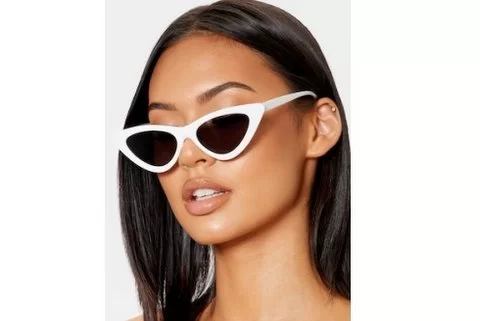
The cat-eye showed up in the 1950s and it hasn't really gone away since. That upswept corner was a deliberate bit of attitude, feminine, a little theatrical, not remotely apologetic about it.
Then Audrey Hepburn wore a pair in Breakfast at Tiffany's and the whole thing shifted up a gear. Suddenly sunglasses weren't just about the sun. They were about who you were, or who you wanted people to think you were. A bit of mystery. An air of not-quite-approachable. That idea stuck, and the cat-eye is still trading on it seventy-odd years later.
Modern versions are sharper and more geometric. But the retro energy is still the whole point.
The 70s: When Bigger Was Just Better
The 1970s didn't do subtle. Everything went oversized, the hair, the lapels, the sunglasses. It was an era that was genuinely unbothered by what you thought of it, and the eyewear matched that perfectly.
Translucent frames in soft pinks and ambers. Massive square shapes. The occasional hexagon showing up just because someone felt like it. Diane Keaton. Disco. All of it. The 70s basically invented the idea that sunglasses could make you feel untouchable, and that's still why oversized frames sell. Put on a big pair of shades and the world just feels a bit more manageable, whether you're in Nelson or stuck in Auckland traffic.
Round Frames: The One That Never Actually Left
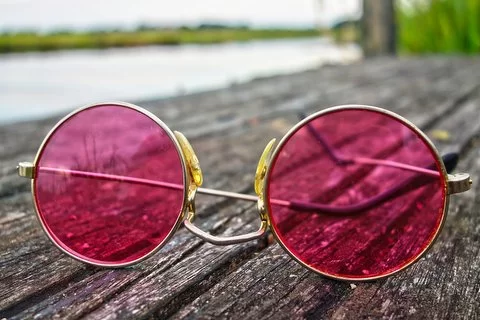
Round sunglasses go back further than almost any other style. But they became a cultural thing in the 60s and 70s, mostly thanks to John Lennon. Small, wire-rimmed, round, they became shorthand for a whole worldview. Peace. Philosophy. A quiet refusal to fit in.
Every generation since has picked them up and made them their own. They work for boho-chic, they work for vintage, they work for that vaguely intellectual look you're going for at the weekend market. The reason they keep coming back is simple, they soften the face in a way that almost no other shape does. Hard to argue with that.
Aviators, Wayfarers, and Rock 'n' Roll
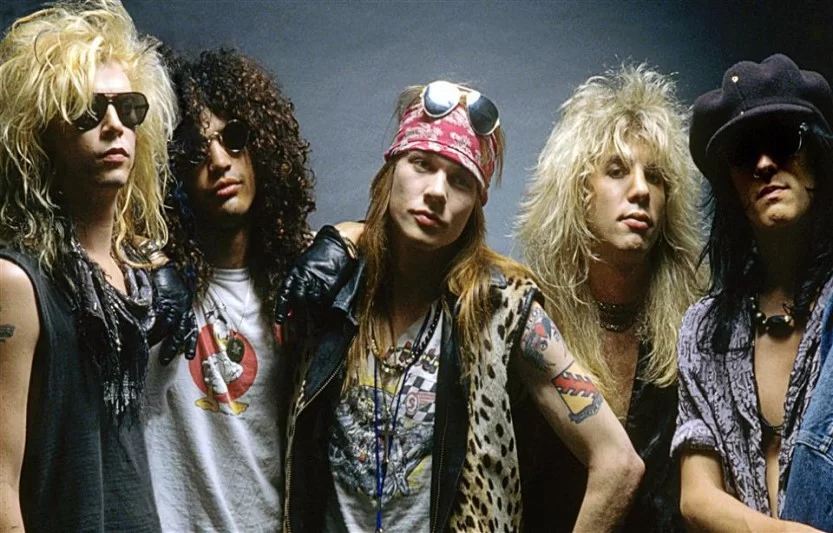
Sunglasses and rock music found each other early and never really separated. For a band, shades are armour. The Velvet Underground made wearing them indoors feel like a statement. The Ramones used chunky dark frames as part of the whole look. Hide your eyes and people project whatever they want onto you, which is exactly what rock stars have always been after.
The Aviator started life in the 1930s as a tool, literally designed for military pilots, that teardrop shape built to cover the full field of vision and cut glare at altitude. After the war it crossed into civilian life and never looked back. The large lens surface is genuinely useful in New Zealand given how intense our UV is.
The Wayfarer came along in the mid-1950s, one of the first moulded plastic frames, sturdier and bolder than anything before it. Its proportions just work on almost every face shape, which is probably why it's had multiple peaks across the last 70 years without ever disappearing completely.
The 90s: Tiny Frames and Zero Regrets
After decades of going bigger, the 90s went the other way entirely. Micro frames. Skinny ovals. Those iridescent sporty wraparounds. It was rave culture, grunge, early internet energy, all colliding into something that looked like it shouldn't work but somehow did.
Gen Z has brought them back, and genuinely, it works. They're not practical for a bright Canterbury day, UV-wise. But as a streetwear statement they're having a real moment. At iPOP we've seen steady demand for these retro micro styles, which proves the rule: no trend is ever actually dead, it's just waiting.
So Why Do We Keep Going Back?
Part of it is that certain shapes carry weight. A round wire frame or a classic cat-eye isn't just a piece of plastic, it's connected to something. A movement, an icon, a whole cultural moment. That's hard to manufacture from scratch.
Part of it is that Kiwis have always had a thing for retro. The op shop culture, the love of vintage finds, mixing old and new without overthinking it, classic eyewear fits naturally into that.
And honestly? Part of it is just geometry. A Wayfarer balances a round face. Round frames soften a square jaw. These things were worked out over decades of real people wearing real glasses. The shapes that survived did so because they genuinely flatter human faces. That hasn't changed.
Find Your Era
Whether you're a cat-eye person, a round-frame person, or someone who wants to revisit the chaotic energy of 90s micro shades, there's something in the iPOP collection that's rooted in the shape you're looking for. We've taken the best of the last 70 years and brought them into today, without losing what made them worth keeping in the first place.
Stay cool.
Latest Blogs