
The NZ Sun Is No Joke — Here's What Your Sunglasses Actually Need to Do
If you've ever come back from a trip overseas and thought the sun felt noticeably softer somewhere like the UK or Europe, you weren't imagining it. New Zealand's UV radiation is genuinely stronger, and by a significant margin. Studies have shown UV levels here can run up to forty percent higher than locations at similar latitudes in the Northern Hemisphere. That's a big gap.
A few things drive it. We're closer to the equator than most of Europe, so sunlight passes through less atmosphere before it hits the ground. Our air is clean, less pollution means less natural filtering. And we're close enough to Antarctica to feel some effect from seasonal ozone thinning in the south. Put it all together and you get a country where UV is a genuine year-round issue, not just something to think about in January.
Here at iPOP Eyewear in Nelson, we think about this stuff a lot. This is our attempt to cut through the noise and explain what actually matters when you're choosing sunglasses for life in Aotearoa.
UV Doesn't Take Seasons Off
The thing that catches people out most is assuming UV is a summer problem. It isn't. Spring days, bright winter afternoons, overcast days at the beach, UV gets through all of it. You can't feel UV the way you feel heat, so there's no reliable body signal telling you when you're being exposed.

Short-term, high UV exposure causes photokeratitis, basically sunburn on your eyeballs. It's as unpleasant as it sounds: redness, pain, sensitivity to light. Long-term, repeated exposure over years is linked to cataracts, pterygium (surfer's eye), and other gradual damage that tends to show up later in life when it's harder to reverse. A decent pair of UV-blocking sunglasses, worn consistently, is one of the easiest things you can do for your long-term eye health.
Many Kiwis also go for polarised lenses on top of UV protection, they cut glare in a way that UV filtering alone doesn't. Worth considering if you spend time near the coast or driving a lot.
UV400 — What It Means and Why It Matters
You'll see UV400 on pretty much every decent pair of sunnies, but it's worth knowing what you're actually getting. The 400 refers to wavelength, UV400 means the lens blocks all light rays up to 400 nanometres, which covers both UVA and UVB completely.
UVA penetrates deep into the eye and is the main driver of cataracts and the skin ageing you see around the eyes over time. UVB is shorter and more intense, this is what causes photokeratitis and pterygium, and it's also linked to skin cancer on the eyelids.
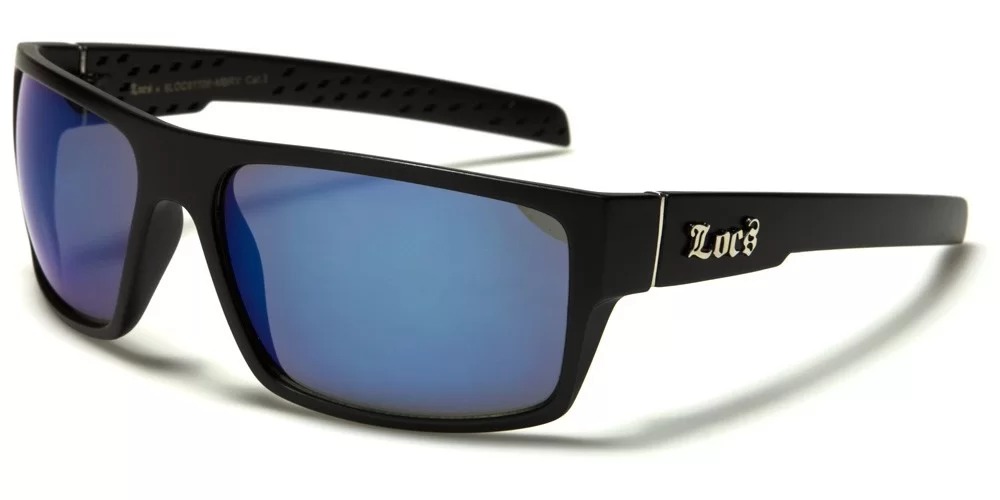
In New Zealand the UV index regularly hits "Extreme", the top of the scale, even on days that don't feel scorching. Because UV is invisible, there's no squinting reflex to warn you. UV400 is the minimum standard worth looking for, full stop. Every pair at iPOP meets it.
Kids Need Sunglasses More Than Adults Do
We're good at Slip, Slop, Slap in this country. Hats and sunscreen on the kids before school, no argument. But sunglasses often get missed, and that's worth fixing.
Children's lenses are much clearer than adult lenses, which means they let more UV through to the back of the eye. Research estimates that up to 80% of a person's lifetime UV exposure happens before they turn 18. That's a lot of cumulative damage starting young.

Short-term it shows up as grumpiness, headaches, and sore eyes after a day at the beach. Long-term it builds into the kind of eye conditions that appear in their forties and fifties. At iPOP, kids' sunglasses start at $19, tough enough for a playground, affordable enough that losing them in the sandpit isn't a catastrophe.
Revo Mirror Lenses — More Than Just a Look
Those colourful mirror lenses that shift as the light hits them, that's Revo coating, and it's not just aesthetic. The technology was originally developed by NASA for satellite portholes and space suit visors, which tells you something about what it's designed to handle.
The mirrored surface works like a one-way mirror, bouncing a chunk of incoming light away before it even gets into the lens. On a white-sand beach or driving into a low winter sun, that makes a real difference. Revo lenses reduce overall brightness without messing with colour perception, and they sit on top of the UV400 protection rather than replacing it. For high-glare NZ conditions, they're a solid upgrade.
Tradies: Sunglasses Are Part of the Kit

Long hours outside, strong UV, dust, wind, the occasional flying bit of debris, eyes take a battering on a worksite. Polycarbonate lenses handle knocks well and resist shattering, which matters when something goes sideways on the job. More Kiwi tradies are treating sunglasses as standard PPE rather than an optional extra, and it makes sense.
A construction site is also rough on gear generally, which is why affordable matters here more than most places. If a pair of iPOP sunnies gets stood on or left on the ute roof, it's not a big deal to replace them.
The Psychology Bit — Why Sunnies Make You Feel Different
Beyond the health stuff, there's something real happening psychologically when you put on a good pair of shades. Research on what's called the Halo Effect suggests that looking put-together in one way, stylish, confident, makes people read other positive traits onto you. Authority, competence, all of that. It sounds a bit abstract but it plays out in real life.
There's also the simple anonymity effect, that feeling of being slightly more relaxed in a crowd when your eyes aren't exposed. It's why high-pressure jobs and public life go hand in hand with sunglasses. You can observe without being fully observed. It lowers the social temperature a bit.
Sunglasses Indoors — Health Reason or Social Faux Pas?
For most people, wearing dark shades inside a café reads as a bit odd. And honestly, from a social angle in NZ where eye contact carries a lot of weight for trust and connection, it can come across as closed off or a bit rude. Propping them on your head when you step inside generally goes down better.
That said, for people with chronic migraines or photophobia, harsh fluorescent lighting indoors is genuinely painful. For them it's not a style choice, it's a way to get through the day. Worth keeping that in mind before judging the person in shades at the back of the room.
What to Look for in an NZ All-Rounder
Because conditions here vary so much, beach one day, bush the next, driving into a low winter sun the day after, a few features make a real difference for general everyday use.
Wraparound frames block light from the sides and protect from wind and dust, which matters if you're hiking, cycling, or just living somewhere like Nelson where the elements are part of the deal.
Lightweight materials, polycarbonate or high-grade nylon, handle knocks and don't get heavy after a long day outside. Eight hours in metal frames gets uncomfortable.
Lens tint is worth thinking about. Grey lenses are the most popular because they don't shift how colours look. But if you spend time in flat light, overcast days, under tree cover, early morning on the water, amber or brown lenses boost contrast noticeably and make a real difference to how much you can see.
Just Wear Them
Honestly, that's the main message. At five or seventy-five, the benefit is the same, less strain, more comfort, much lower cumulative risk of the eye conditions that come with a lifetime of New Zealand sun. It's one of the simpler health wins available to us and it costs less than most people think.
Next time you're heading out the door, grab them. Browse the full range of UV400 sunnies at iPOP Eyewear and find a pair that suits your lifestyle.
Latest Blogs