
Sunglasses Trends in NZ: What's In, What's Out, and What Actually Matters
In New Zealand, sunglasses aren't really optional. Between the UV levels and the amount of time most Kiwis spend outdoors, you need eyewear that does a proper job. Looking good while you're in the sun is a bonus.
Right now the trend is moving away from fast fashion eyewear and toward shapes that have some longevity, retro styles updated with lighter materials and better lenses. Less disposable, more considered.
The Styles Worth Looking At
Wrap-arounds have had a proper makeover. They used to be strictly for cricketers and cyclists, functional but not exactly stylish. The newer versions are sleeker, with cleaner finishes, and they block glare better than almost any other shape. Worth a second look if you wrote them off years ago.
Sports sunglasses are bleeding into everyday wear. Rubberised nose pads, featherlight frames, features that used to be reserved for elite gear are now showing up on casual styles. If you've ever had sunnies slide down your nose on a hot day you'll appreciate the difference.
Mirror lenses are still around but the heavy oil-slick finishes are fading out. What's replacing them is subtler, soft bronze or rose gold flash mirrors that cut glare without looking like you've borrowed them from a ski patrol. A lot more wearable day to day.
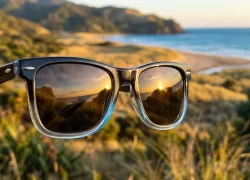
Aviators and Wayfarers never really disappear. This season they're showing up with flatter lenses and thinner metal bridges, a cleaner, more architectural look that feels current without trying too hard.
.webp "Sunglasses Styles in NZ and Australia")
What's In and What's Done
Classic shapes are staying, aviators, wayfarers, soft-square frames. Neutral tones like tortoiseshell, matte black, and clear crystal are as versatile as ever. Polarised sunglasses also remain a practical choice for driving and time near the sea becuase they reduce reflected glare. iPOP polarised sunglasses start at around $30
What's fading out: ultra-narrow frames that offer next to no eye protection, oversized logos that date a frame quickly, and the brighter neon mirror lenses that were everywhere a few seasons back.
Why It Might Be Time to Retire the Old Pair
We've all been there. Spent decent money on a pair a few years back, looked after them carefully, and they still look almost new. The problem is fashion moves faster than most premium frames. What felt right a couple of seasons ago can suddenly look a bit off compared to current shapes and proportions.
Sometimes older styles cycle back around, that does happen. But more often those once-expensive frames just start to look dated no matter how well you've kept them.

A Different Way to Think About It
At iPOP the thinking is pretty simple. There's no real reason to spend hundreds on one pair that locks you into a single look for years. When eyewear is affordable enough to refresh each season, staying current stops being a hassle.
Having a few pairs also means you can match different situations without overthinking it. One for driving, one for the boat, one for a night out. And if a pair gets lost at the beach or scratched on a trip, it's an inconvenience rather than a financial hit.
Darker Isn't the Same as Better
Worth clearing this up because it catches a lot of people out. A very dark lens without proper UV filtering can actually be worse than a lighter one, your pupils dilate in the shade the lens creates, letting in more harmful radiation than if you weren't wearing anything at all.
The rating that matters is UV400. It blocks 99 to 100% of UVA and UVB radiation regardless of how dark or light the tint is. In New Zealand's UV environment that's the number to look for, not how dark the lens looks on the shelf.

How to Tell If a Frame Actually Fits
Before you buy, three quick checks worth doing.
The smile test: if your cheeks push the frames up when you smile, they're too big or the bridge is too narrow.
The shake test: lean forward and gently shake your head. If they slide straight away, they won't stay put outdoors.
The weight test: if you feel pressure behind your ears or on your nose after a couple of minutes in the shop, they'll be uncomfortable all day.
The Bottom Line
Trends shift but sunglasses that fit well and protect your eyes properly never go out of style. Aim for something that feels natural on your face, has UV400 lenses, and suits the way you actually live, outdoors, on the water, in the car, wherever that is for you.
iPOP covers the full range, from performance wrap-arounds to modern classics, with polarised options across most styles. Protection sorted, budget intact.
Latest Blogs