
Aviator Sunglasses: How a Pilot's Tool Became a Style Icon
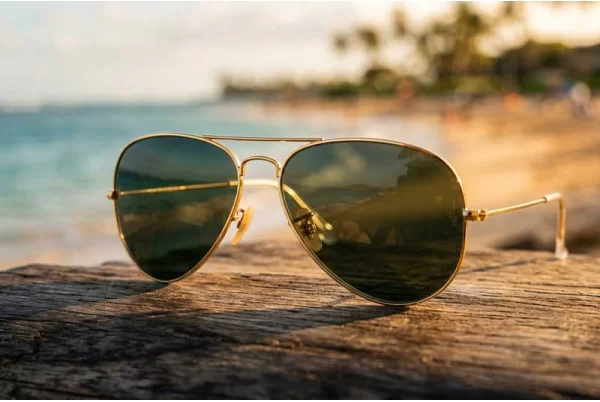
There are maybe a handful of objects in the world that have stayed essentially unchanged for nearly ninety years because they got it right the first time. The aviator frame is one of them. The teardrop shape, the thin metal bridge, the slightly oversized lens, it's all still there, more or less as it was in 1937.
At iPOP we get asked about aviators a lot. Why do they keep coming back? Why do they suit so many different people? The answer starts earlier than most people realise.
1937: Built for a Cockpit, Not a Catwalk
The 1930s were a serious period of experimentation in eyewear. Designers across Europe and the US were working out how frames should sit on a face, better balance, adjustable temples, lens shapes that didn't fight with natural facial structure. It was less about fashion and more about solving actual problems.
The aviator came out of that environment. Originally designed for military pilots, the wide teardrop lens gave a broad field of vision and cut glare at altitude. The slim metal frame kept weight down. Everything about it was functional first. Style was an afterthought that turned out to be a significant bonus.
Ray-Ban and the Problem of Flying Too High
As aircraft got faster and flew higher, pilots started dealing with a new problem, unfiltered glare above the cloud line was causing headaches, eye fatigue, and what was sometimes called snow blindness. The US Army Air Corps brought in Bausch & Lomb to fix it. The result was a dedicated lens designed to block the sun's rays, which is where the name Ray-Ban came from.
That teardrop curve wasn't a design flourish. It was traced to follow the line of a pilot's cheekbone, maximising coverage and stopping light leaking in from the sides while they scanned their instrument panels. Form following function, in the most literal sense.
Did Pilots Actually Wear Them in WWII?
Yes, standard issue for many Allied pilots through the war. But the moment that really launched them into wider culture was a photograph. When General Douglas MacArthur waded ashore in the Philippines in 1944, the press images went worldwide. He was wearing gold-framed Ray-Bans. That image, the authority, the composure, the look, did more for the aviator's reputation than any advertising campaign could have managed.
After the war, the frame crossed into civilian life and never really left.
The 1980s: Second Wind
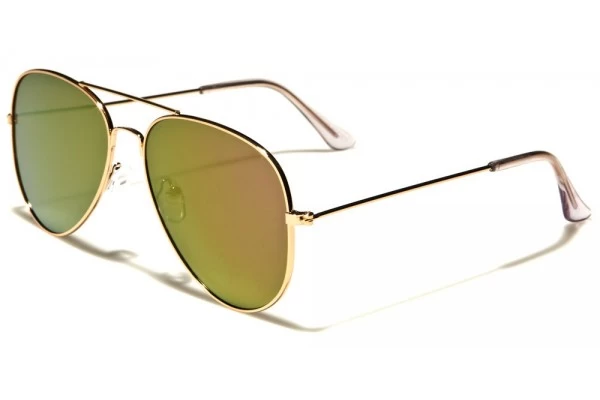
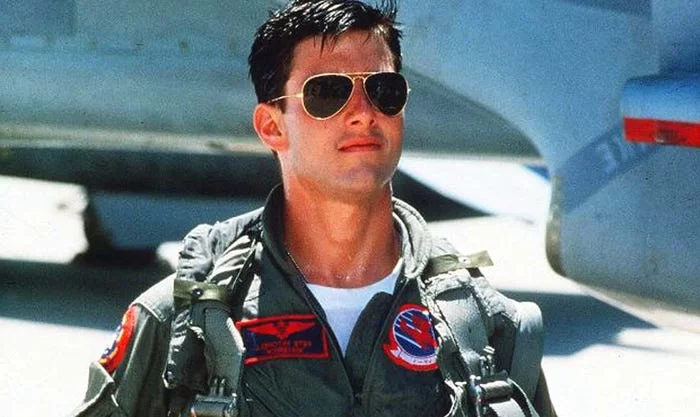
The aviator had its second major moment in the eighties, when fashion shifted toward bold silhouettes and the frame slotted straight in. Gold and silver metal became the standard, worn with sharp suits and relaxed denim in equal measure. Polarised versions started showing up more commonly too, which made them genuinely useful for NZ conditions, cutting annoying glare.
Top Gun didn't hurt either.
Why Silver Aviators Still Make Sense
Silver aviators in particular have stayed in steady rotation because they sit neatly between vintage and modern without committing too hard to either. They don't look like a costume and they don't look try-hard. That's a harder balance to strike than it sounds.
The teardrop shape gives solid coverage, less light sneaking in from the sides than a lot of other frames. Thin metal keeps the weight down so they're comfortable for a full day. And they genuinely work across a wide range of outfits, which is why so many people end up reaching for them as their everyday pair.
Are They Still in Style?
The current version of the aviator is a bit cleaner and lighter than the 80s heyday, polycarbonate has replaced heavier materials in a lot of frames, and the overall look has softened. But the shape is the same. It still works for driving, outdoor use, and anything in between, without looking like you're trying to make a statement.
Nearly ninety years from that first military design, the aviator is still one of the most practical and most flattering frames you can buy. If you want something that's earned its reputation rather than just inherited it, that's a reasonable place to start.
Browse the iPOP range of aviator sunglasses, polarised and non-polarised, silver, gold, and mirror finishes.
Latest Blogs